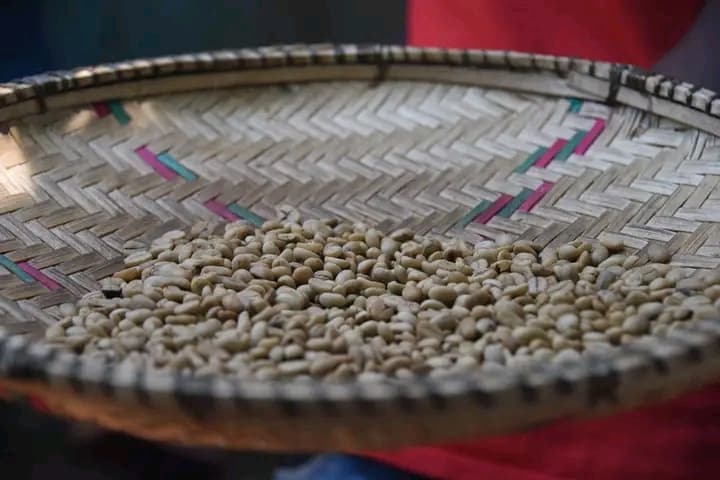
Complete Guide to Tanzania's Coffee Growing Regions
Tanzania is one of Africa's most diverse specialty coffee origins. This comprehensive guide covers every major growing region — from Kilimanjaro's volcanic slopes to the southern highlands of Songwe–Mbozi and Mbinga — with terroir, varietals, processing methods, and what to expect in the cup.
Read the Full Guide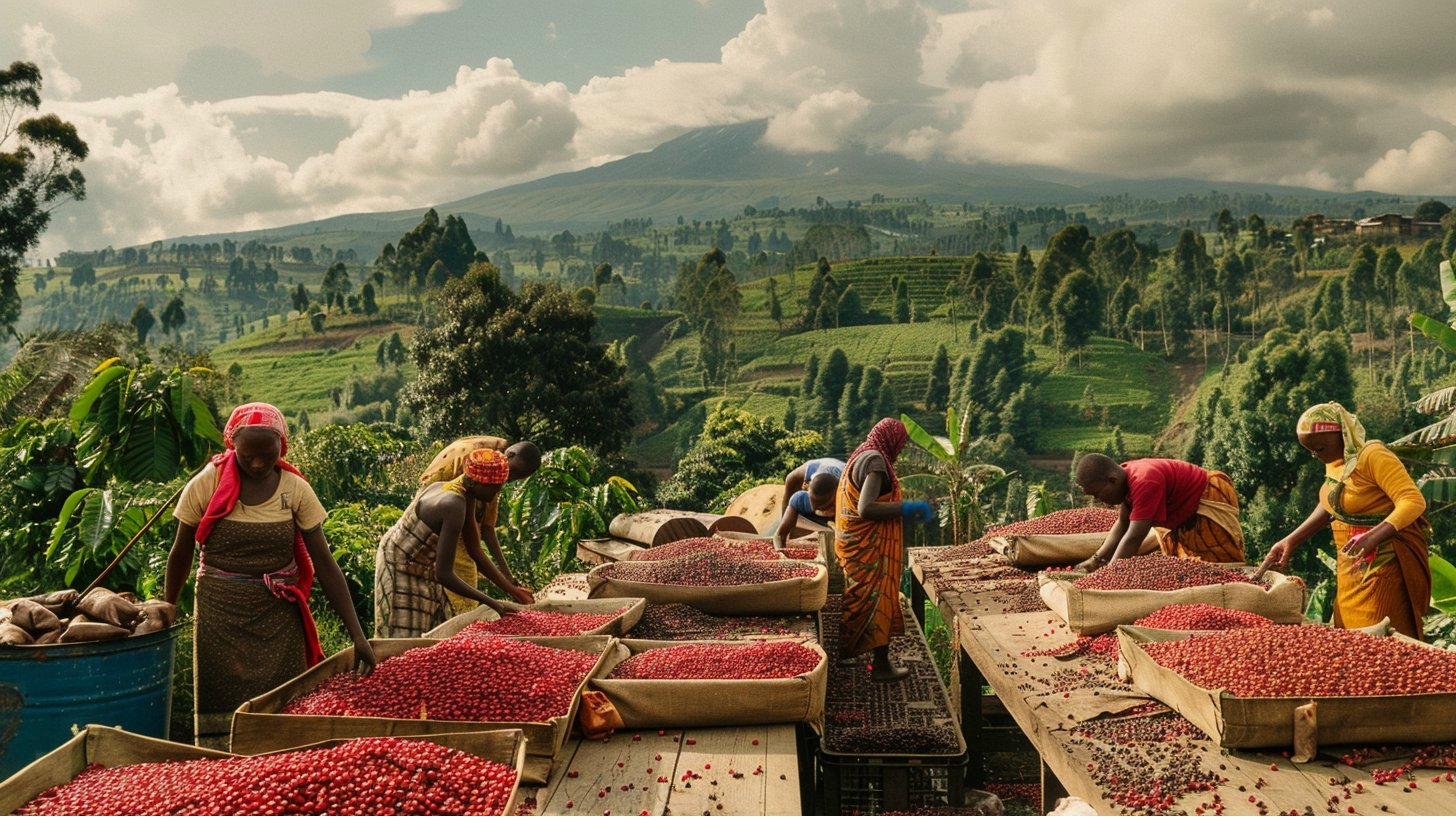
What Is a Q-Grader and Why It Matters for Green Coffee Buyers
Understanding the CQI Q-Grader certification — what it takes to earn it and why buying from a Q-Grader-verified source protects your quality investment.
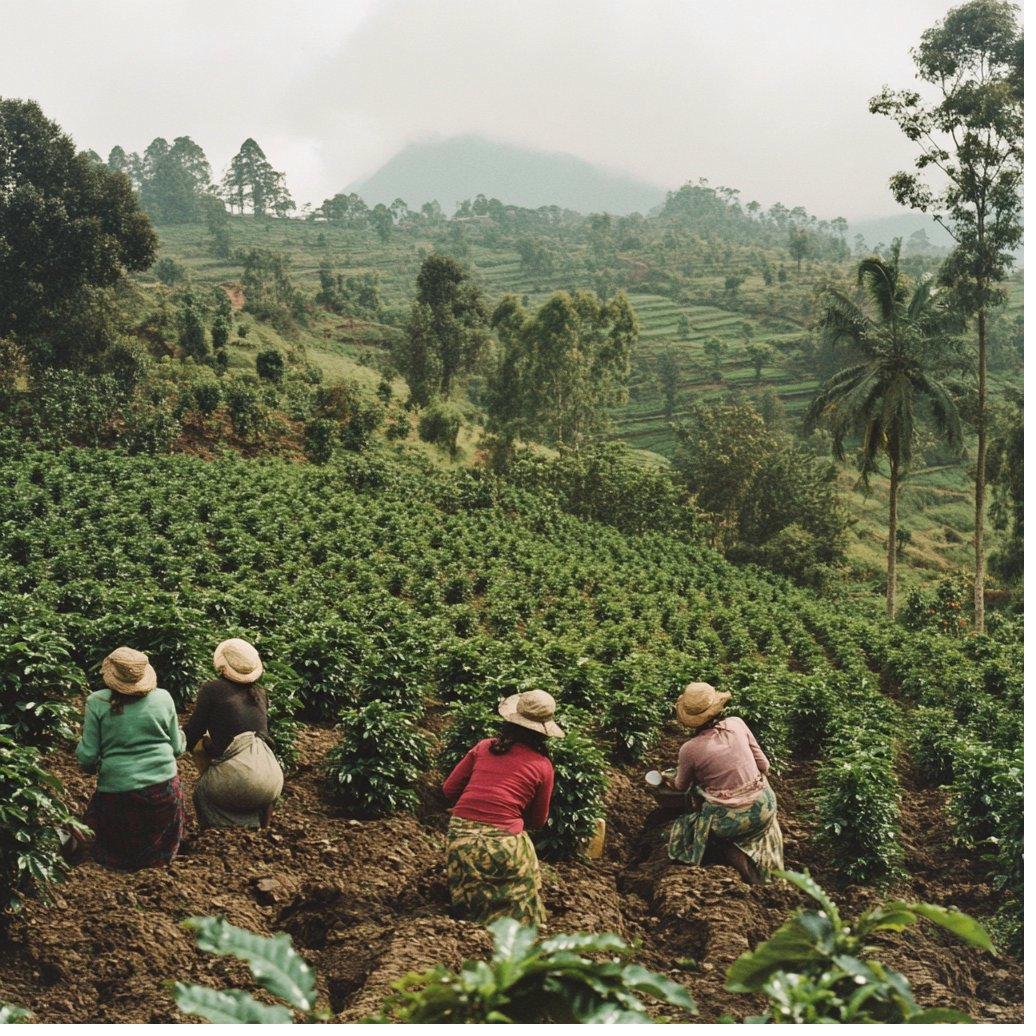
How to Buy Green Coffee Beans: The Specialty Roaster's Handbook
From first contact with a supplier to receiving delivery at your roastery — a step-by-step guide to sourcing specialty green coffee responsibly.
Washed vs Natural vs Honey: Coffee Processing Methods Explained
How cherry processing at origin fundamentally shapes the flavor of your finished cup — and which Tanzania lots suit each roast approach.
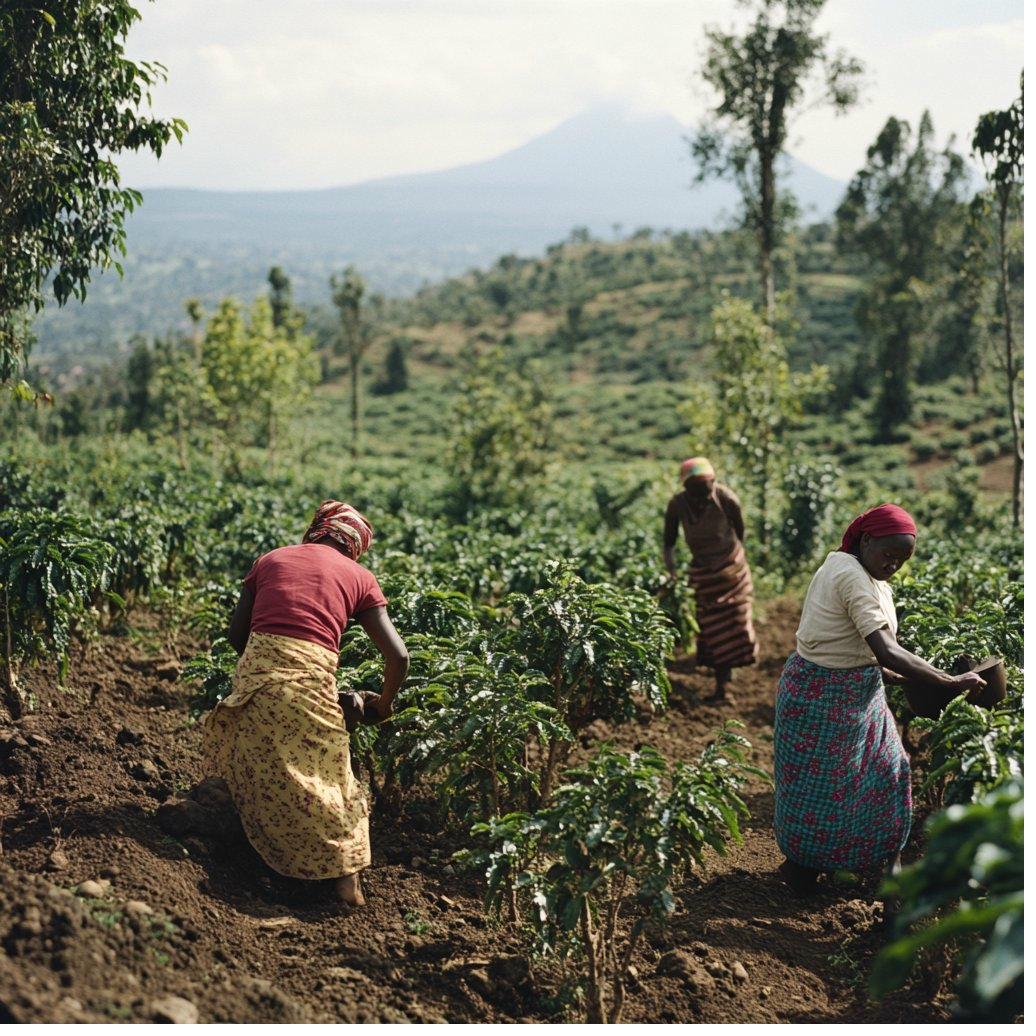
Tanzania AA Grade: What Does It Mean and Is It Worth the Premium?
The Tanzania AA grade is widely referenced — but what does the classification actually tell you about the coffee inside the bag?
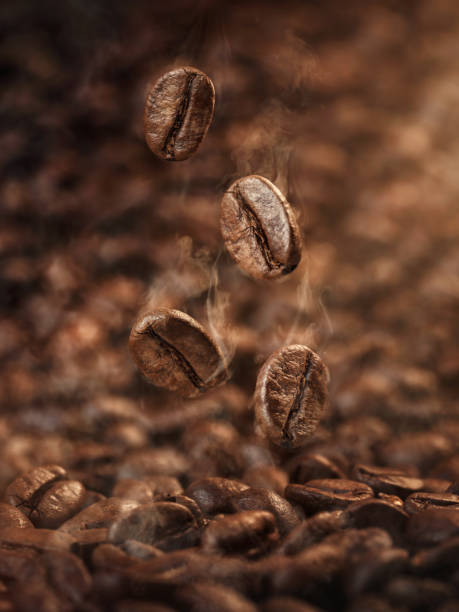
Roasting Tanzania Coffee: Profiles, Tips & Common Mistakes
Tanzania's high-grown beans respond well to specific roast approaches. Our practical guide to development times, crack profiles, and bringing out the best in each region.
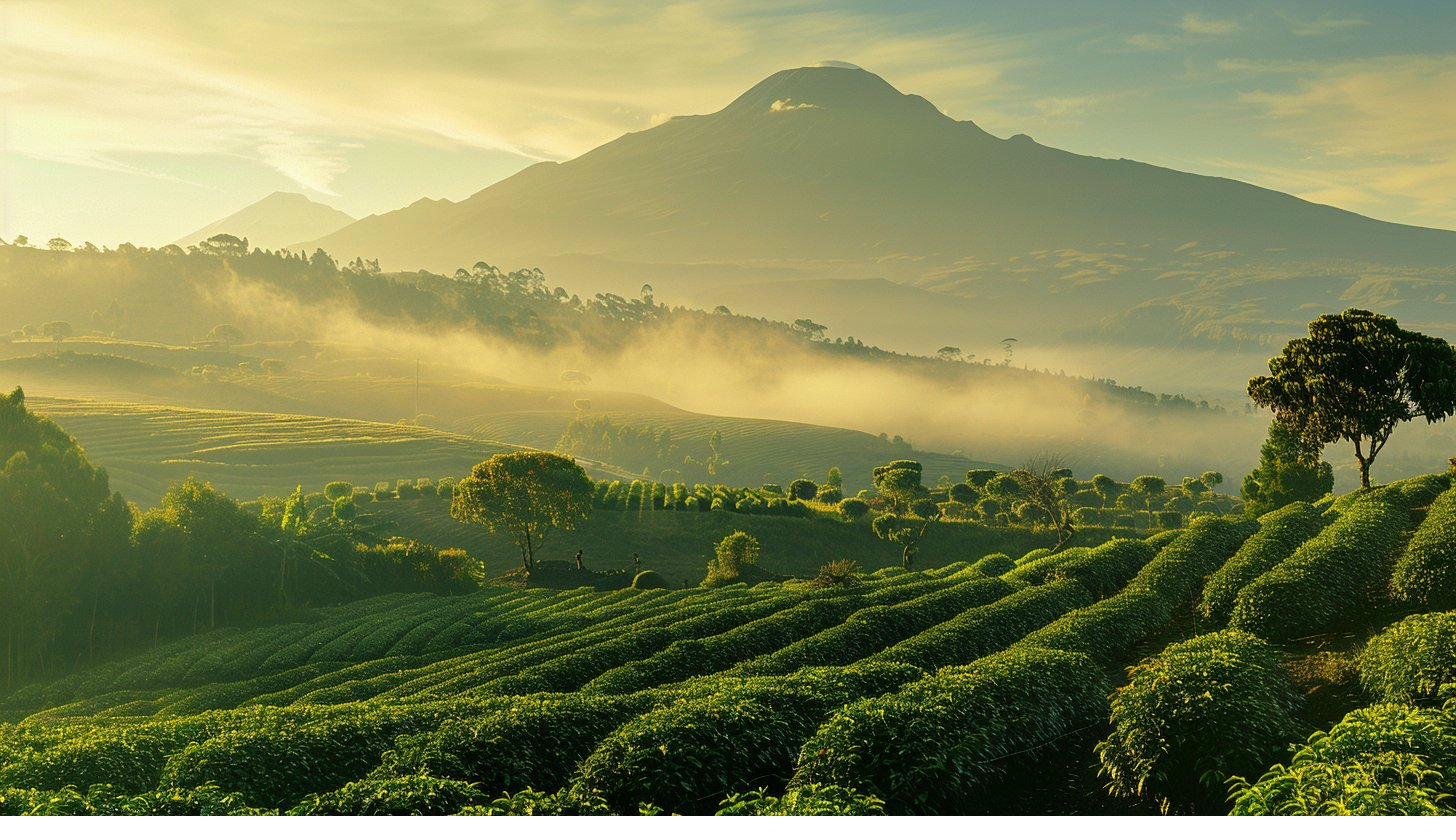
The History of Kilimanjaro Coffee: From Chagga Gardens to Global Specialty Trade
How Tanzania's most famous coffee origin developed over more than a century — and what makes the Chagga shamba farming system still relevant today.
Tanzania Peaberry Coffee: What It Is & Why Roasters Love It
What makes peaberry beans different, how they compare to Tanzania AA, cup profiles, and how to source Tanzania peaberry wholesale.
Wholesale Green Coffee Beans: A Roaster's Sourcing Guide
How to evaluate wholesale suppliers, understand pricing, and build a direct-trade green coffee programme that works at your scale.
Tanzania vs Kenya Coffee: A Roaster's Comparison
Cup profiles, acidity levels, grading systems, and pricing differences — which East African origin should you be sourcing?
Direct Trade Coffee: What It Really Means
Direct trade is widely claimed and rarely defined. Here's what genuine direct trade looks like — and the questions roasters should ask any supplier.
Mbinga Coffee: Tanzania's Ruvuma Region Origin Guide
Altitude, varietals, and flavor profiles of Mbinga — one of Tanzania's most dependable and underrated specialty coffee origins.
How to Request & Evaluate Green Coffee Samples Before Buying
A practical roaster's guide to requesting samples, roasting them properly, cupping systematically, and interpreting the results.
More from Our Knowledge Base
Understanding the Specialty Coffee Supply Chain
From cherry to cup — who touches your coffee before it reaches your roastery, and what direct trade really means.
How to Cup Coffee at Home: SCA Protocol Simplified
You don't need a professional cupping table to evaluate green coffee. Here's a practical, accessible version of the SCA cupping protocol.
What Is a Micro-Lot Coffee? Why Small Lots Command Premium Prices
Micro-lots represent the pinnacle of traceability and quality — but they require careful handling from farm through to your roaster.
Unroasted Coffee Beans: Where to Buy Green Coffee Beans for Home Roasting
Everything roasters need to know about buying green coffee beans — what to look for, where to source, how to roast, and how to store.
Bulk Green Coffee Beans: Wholesale Guide for Specialty Roasters
How to source bulk coffee beans wholesale — pricing structures, minimum orders, quality standards, and why Tanzania arabica offers exceptional value.
Choosing a Specialty Coffee Supplier: What Roasters Need to Know
What separates a genuine specialty coffee supplier from a wholesale distributor — and the questions every roaster should ask before committing to a source.
What Are Kilimanjaro Coffee Beans?
Everything specialty roasters need to know — origin, altitude, flavor profile, varietals, and how to source direct from Tanzania.
Kilimanjaro Coffee Flavor Profile Explained
How altitude, volcanic soil, washed processing and varietal choice combine to produce one of East Africa's most refined specialty cups.
Tanzania Coffee Varietals: Bourbon, Kent, NY11 & SL28
A complete guide to Tanzania arabica varietals — what each tastes like, where it grows, and how varietal choice shapes your roast decisions.
Tanzania Coffee Harvest Season: Region by Region
When Kilimanjaro, Songwe–Mbozi and Mbinga harvest, what drives quality each year, and how to plan your buying calendar around fresh-crop availability.
The Chagga Kihamba: Why It Makes Better Coffee
The traditional multi-layer agroforestry of Kilimanjaro's Chagga people — and why it is the real explanation for Kilimanjaro's exceptional cup quality.
Tanzania vs Ethiopia Coffee: Which Should You Source?
Cup profile, consistency, varietal diversity, price and supply chain compared — a practical guide for specialty roasters choosing between these two origins.
Tanzania Coffee Grading: AA, AB & Peaberry Explained
What the Tanzania grading system actually means — screen sizes, quality implications, and why grade alone is never enough when sourcing specialty green.
Is Kilimanjaro Coffee Good? An Honest Evaluation
What the best Kilimanjaro lots actually taste like, what separates exceptional from mediocre, and how to evaluate a lot before you commit.